Back to all guides
Cognitive Science6 min read
The Science of Daily Puzzles: How Logic & Number Games Strengthen the Brain
Understanding neuroplasticity, working memory capacity, and the long-term cognitive benefits of daily mental exercise.
Daily Gaming Zone Editorial Team
Cognitive Research & Game Design
Updated 2026-08-15
Key Insights at a Glance
- Consistent puzzle solving stimulates neuroplasticity and strengthens neural connections in the prefrontal cortex.
- Tracking multiple grid states significantly improves working memory and mental bandwidth.
- Entering the 'flow state' during puzzle play provides genuine stress reduction and active mindfulness.
- A brief 10-minute daily puzzle routine provides optimal cognitive priming for daily focus.
1. Neuroplasticity: The Adaptable Brain
For decades, neuroscientists believed that the human brain stopped forming new neural connections in early adulthood. Groundbreaking research in cognitive neurobiology has definitively overturned this dogma: the human brain possesses remarkable neuroplasticity—the physiological ability to reorganize, forge new synapses, and strengthen neural pathways in response to novel cognitive challenges.
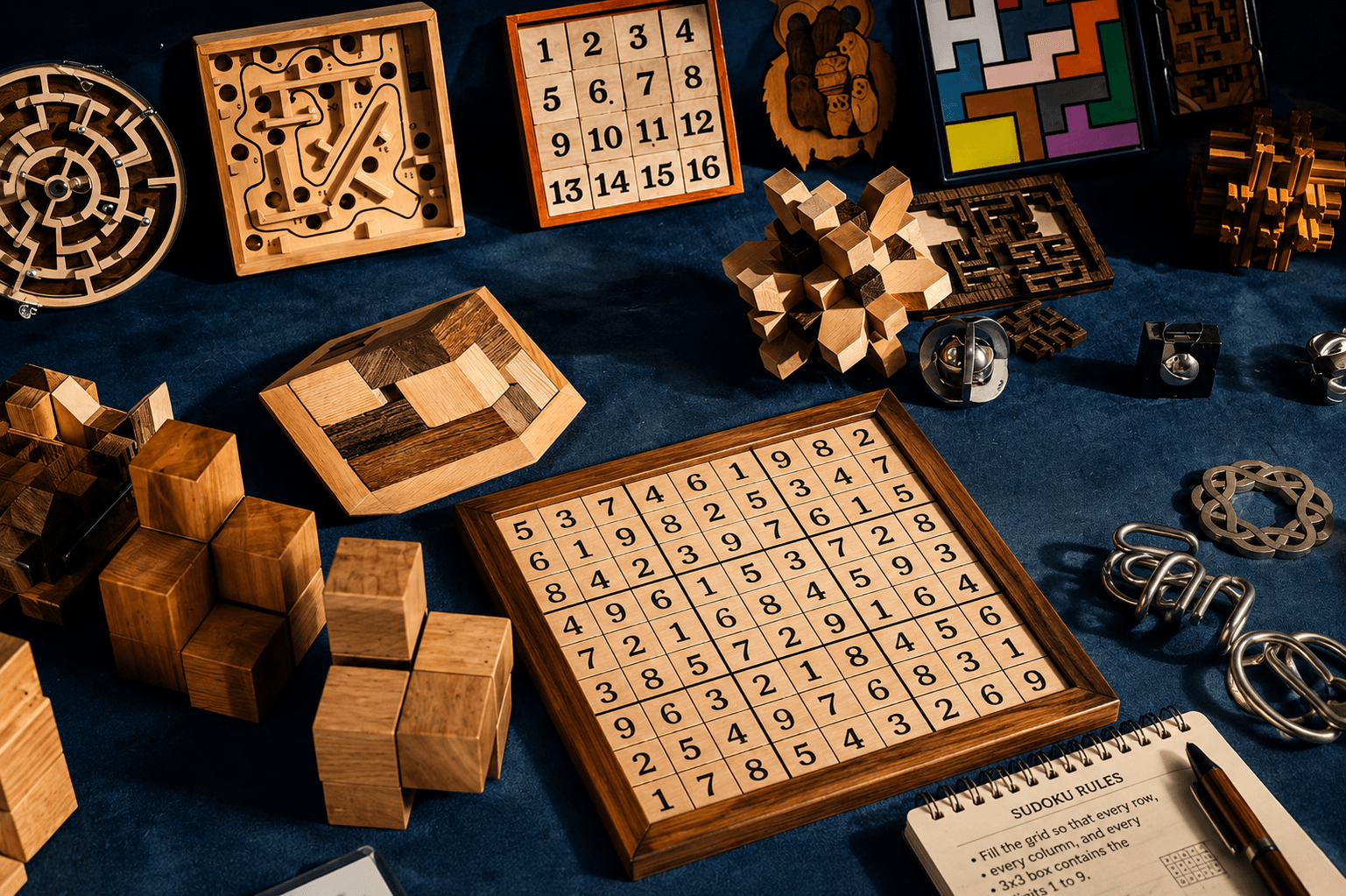
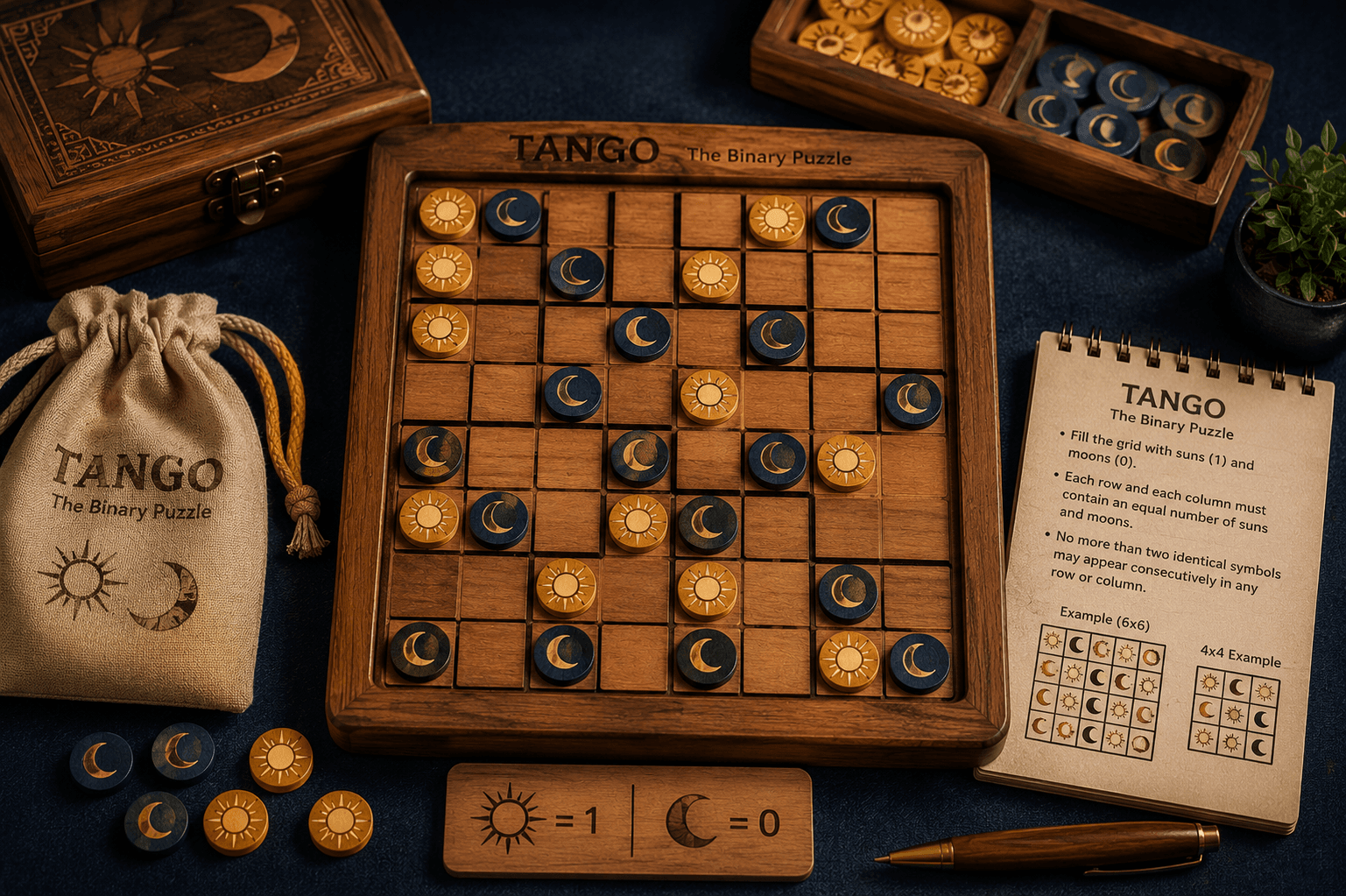
When you engage with a challenging logic grid like Eclipse or solve a multi-step Sudoku, your brain activates the dorsolateral prefrontal cortex—the region responsible for complex problem solving, working memory, and executive decision making. Regular activation of these pathways keeps synaptic transmissions agile and responsive.
Studies published in neurobiology journals demonstrate that consistent cognitive stimulation through puzzle games can delay cognitive decline and maintain sharp executive function into older age.
2. Working Memory & Mental Holding Capacity
Working memory is the mental workbench where information is temporarily held, manipulated, and evaluated before reaching a conclusion. In daily life, working memory dictates how effectively you can process multi-step instructions, calculate mental budgets, or follow complex conversations.
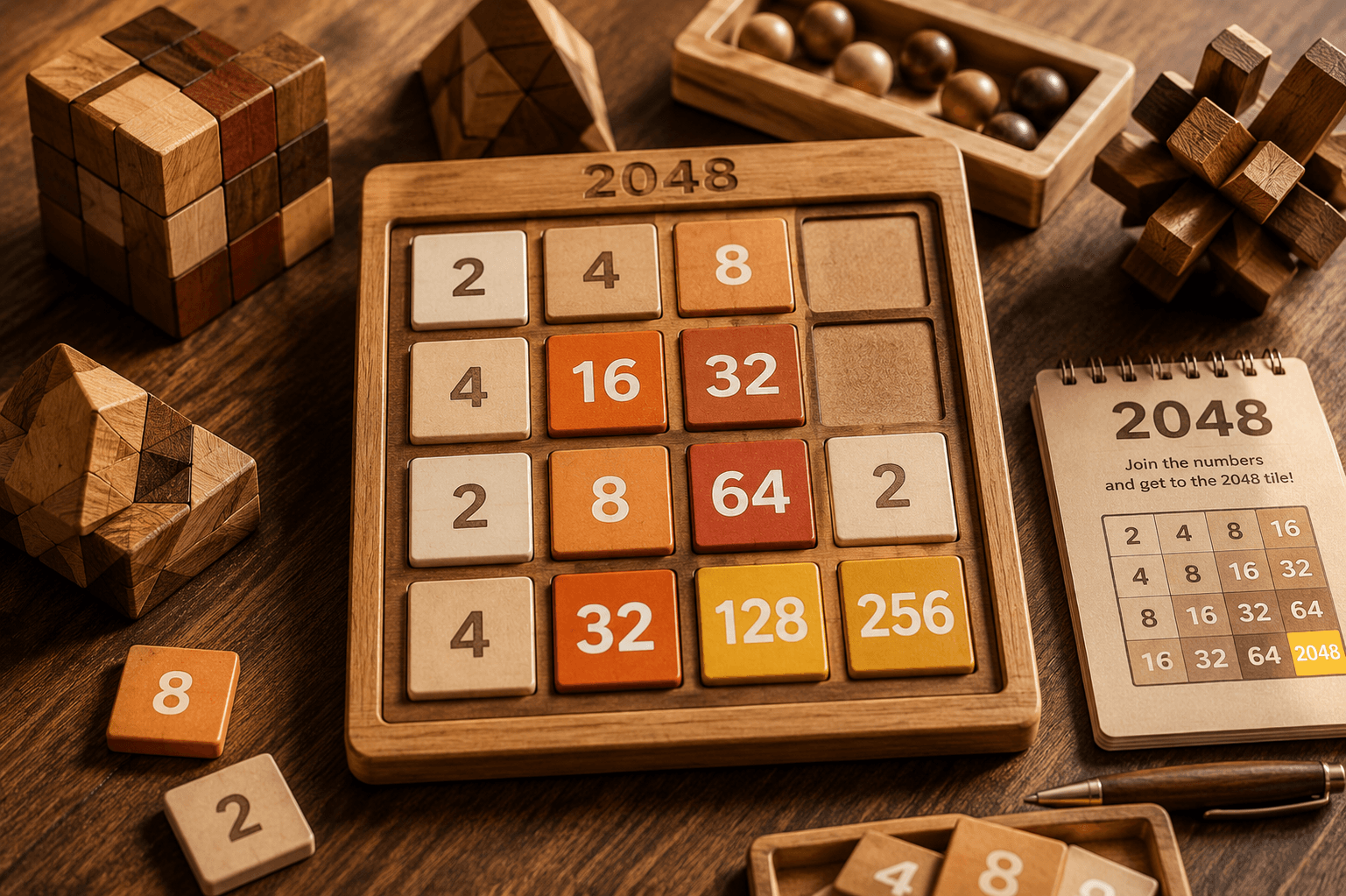
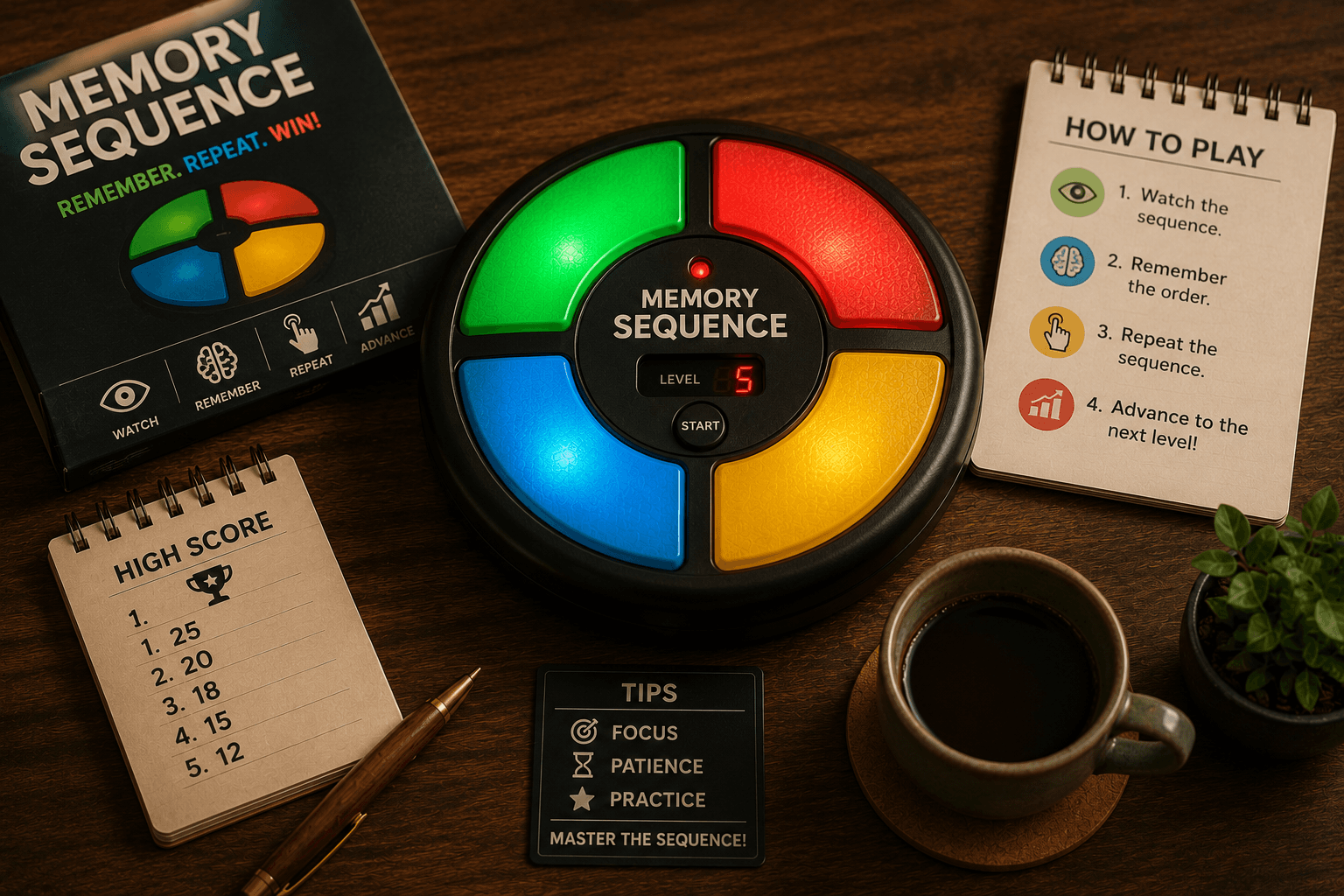
Puzzle games provide targeted training for working memory. In games like 2048 or Memory Sequence, a player must track multiple future states simultaneously, holding potential moves in active memory while calculating optimal outcomes. Over time, this mental juggling expands baseline cognitive bandwidth.
3. The Psychological Flow State & Stress Reduction
Modern digital life frequently induces 'continuous partial attention'—a state where constant pings and fragmented social media feeds elevate baseline cortisol levels and degrade deep concentration.
Puzzle games operate on a completely different psychological mechanic: the Flow State, popularized by psychologist Mihaly Csikszentmihalyi. Because a good puzzle presents a clear, achievable goal with immediate feedback, the mind enters a state of deep, tranquil immersion. The noise of everyday anxiety fades away as attention focuses entirely on the grid.
4. Building a Sustainable 10-Minute Daily Habit
You do not need to spend hours each day to experience the cognitive dividends of puzzle solving. Cognitive research indicates that consistency dramatically outperforms sporadic marathon sessions.
Just 10 to 15 minutes of focused puzzle play each morning—such as completing the Daily Gaming Zone challenge over coffee—stimulates morning alertness, primes executive reasoning for work tasks, and builds long-term mental resilience.